Are Lay-Flat Hammocks Worth It? Who They Suit and Who Should Skip Them
Haven Tents · October 21, 2026 · 4 min read

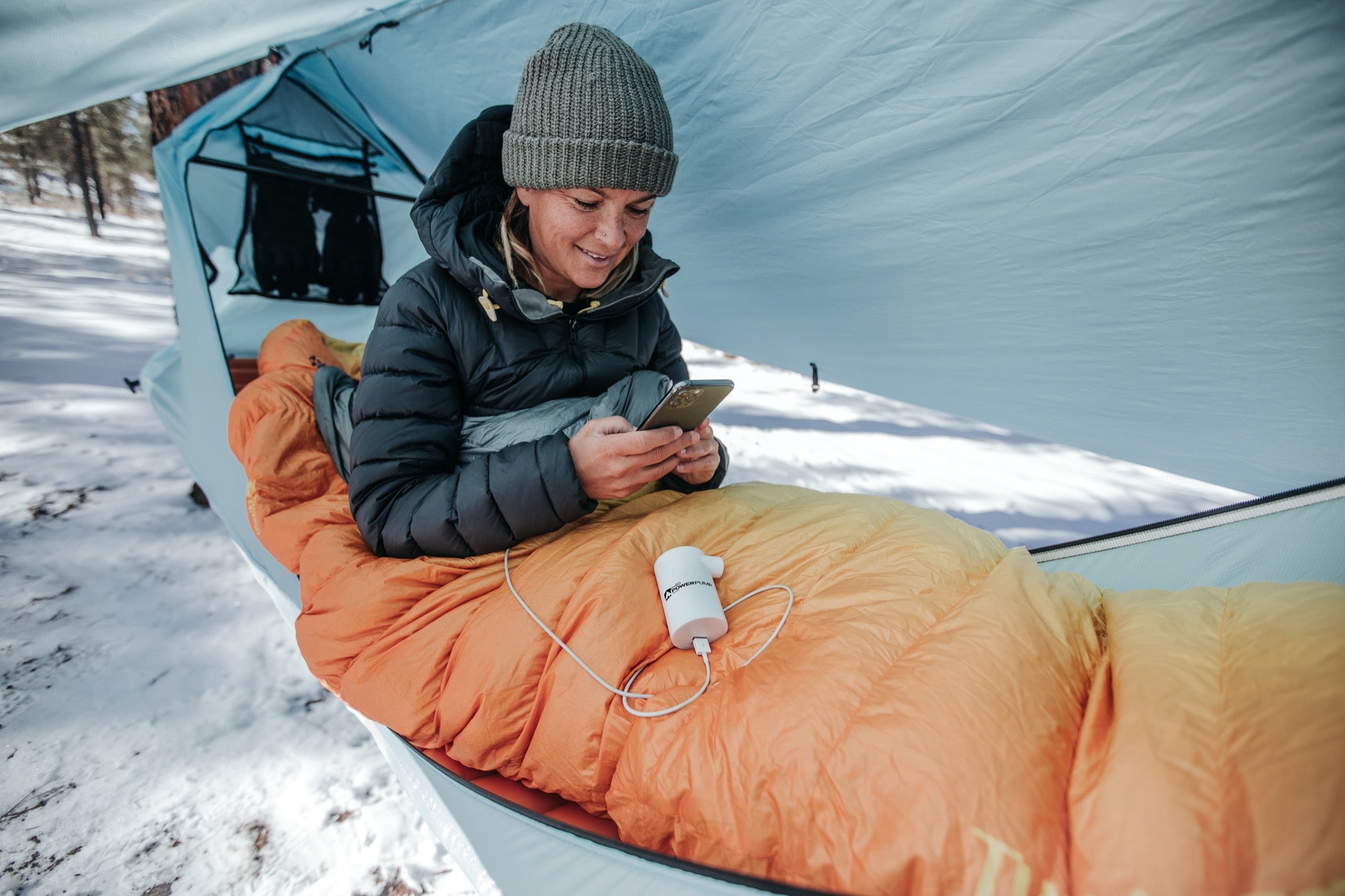
Are lay-flat hammocks worth it? Yes, if you sleep on your side or stomach, wake up sore on the ground, or can't get comfortable in a traditional hammock, and you camp where there are trees (or bring a stand). You get a flat, insulated bed off the ground with a bug net and rainfly built in.
They are probably not worth it if you need one shelter for two or more people, count every ounce, camp mostly where there's nothing to hang from, or already sleep well in a gathered-end hammock or on a pad.
Our verdict: Yes, for one person who sleeps on their side or stomach, wakes up sore on the ground, and camps where there are trees or brings a stand. In that case a Haven replaces your tent, pad and cot with one flat bed off the ground. No, if you need one shelter for two or more, count every ounce, or already sleep well on a pad.

What you get with a lay-flat hammock
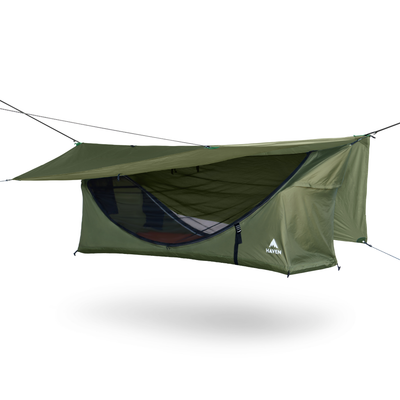
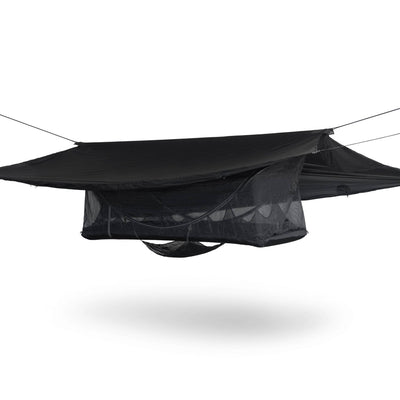
A traditional gathered-end hammock curves you into a banana shape and squeezes in at the shoulders. A lay-flat hammock hangs a flat sleeping platform below its anchor points instead. In a Haven, an insulated air mattress, two support arcs, spreader bars and a structural ridgeline work together to keep the bed flat and stable (the details are in The Secret Design Behind the Haven Tent).
It helps to keep three designs apart. Lying diagonally in a gathered-end hammock gets you flatter, but you're still in a curve. A bridge hammock uses spreader bars at each end so you lie straight; it's flatter again, but the middle still dips. A lay-flat hammock tent keeps the platform itself level. "Is it worth it?" is really asking whether that last step, from flatter to flat, is worth the extra weight and cost for you.
What that means in practice:
- You can sleep in your normal position: back, side or stomach.
- The ground stops mattering. Rocks, roots, slope and puddles are under you, not in your back.
- Insulation is built in. The insulated pad sits in the frame, so you don't need a separate underquilt.
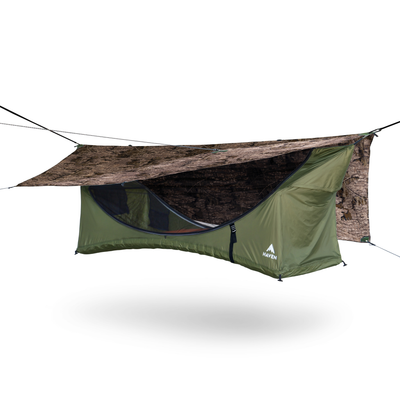
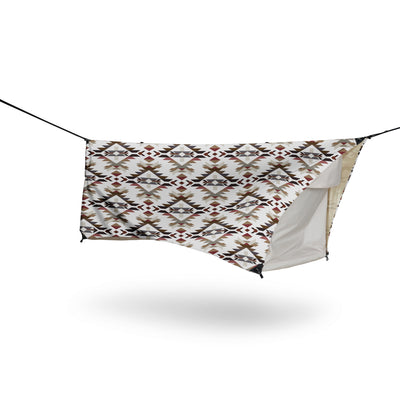
- It's a complete shelter. Each kit includes the hammock body with a bug net, a rainfly, straps, guylines and stakes, so it replaces a tent and a sleeping pad. See what an outdoor sleep system is.
When a lay-flat hammock is worth it
When it's not worth it
- You want to share a bed. Each Haven sleeps one person (rated to 285 lb, or 350 lb for the Safari). Couples and families hang one each, side by side. If you want to sleep together, a ground tent, a rooftop tent or a vehicle is the better choice.
- Weight comes first. Even our lightest model, the Haven Spectre, is heavier than an ultralight one-person tent with a thin pad or a bare hammock with a tarp. Kit weights are listed on each product page.
- You rarely have anything to hang from. Above treeline or in the desert you can pitch a Haven on the ground in bivy mode, but then you're back on the ground. For car camping, a stand or a hitch mount solves it, at extra cost and weight.
- You already sleep well. If a gathered-end hammock or a good pad works for you, a lay-flat system adds weight and cost for comfort you may not need.
- Budget. A complete lay-flat kit costs more than a basic hammock and tarp or an entry-level tent and pad. Current prices are on each product page.
What it replaces in your sleep system
A lay-flat hammock tent replaces your tent and your sleeping pad, and it gets you off the ground the way a cot would, by hanging instead of standing on legs. A full Haven kit has the hammock body with a built-in bug net, a rainfly, an insulated air mattress with a pump bag, spreader bars, tree straps, carabiners, guylines and stakes. You still bring a sleeping bag or top quilt and a pillow. If you already own a pad or rainfly that fits, you can order a kit without one. The full list is in the hammock tent gear checklist.
Can you use one without trees?
Yes, three ways. The Haven Stand fits every Haven, is rated to 300 lb and weighs 17.1 lb, so it's a car-camping item. A hitch mount such as the Bare Bones XL hangs a Haven from a vehicle's 2 in receiver. And anywhere, you can pitch a Haven on the ground in bivy mode with trekking poles or sticks (use a footprint under the Spectre, whose mesh body isn't waterproof), though then you're back on the ground. Other stands can work if they match the Haven's ridgeline length and a minimum hang height of 48 in; see the compatible stands list. With trees, look for two healthy ones about 12-15 ft apart.
What setup involves
Wrap the two tree straps, clip in the hammock, insert the spreader bars and the inflated pad, then pitch the rainfly over the top. Your first setup takes longer than the rest, so practice at home. The common mistakes are a hang angle that's too flat or too steep (aim for 15 to 30 degrees on the straps), a pad that isn't fully inflated, a pad pushed off center, and hanging too high; keep it low. The setup guides have a video for each step.
Lay-flat hammock vs the alternatives
| Lay-flat hammock tent | Bridge hammock + tarp | Gathered-end hammock + tarp | Ground tent + pad |
|---|
| Sleeping surface | Flat, off the ground | Flatter, some sag in the middle | Curved; flatter if you lie diagonally | Flat, on the ground |
| Side and stomach sleeping | Yes | Side for some; stomach hard | Hard for most people | Depends on the pad |
| Insulation underneath | Insulated pad built in | Needs a pad or underquilt | Needs an underquilt or pad | Depends on the pad |
| Bug net and rainfly | Included | Net often included; tarp usually separate | Usually bought separately | Included with the tent |
| People per shelter | One | One | One | One or more |
| Needs | Two trees, a stand or a hitch mount (or bivy mode on the ground) | Two trees | Two trees | A flat, clear patch of ground |
| Weight and bulk | Heavier than a bare hammock | Light and modular | Lightest | Wide range |
Decide in five questions
- Do you sleep badly on the ground or in a curved hammock? If you sleep well already, keep what you have.
- Do you sleep on your side or stomach? That's who a flat platform helps most.
- Do most of your campsites have trees, or will you bring a stand or hitch mount? If not, you'll be pitching on the ground.
- Is each person happy with their own bed? Every Haven sleeps one.
- Is a flat bed worth more to you than the lowest pack weight? If every ounce counts, a bridge hammock or an ultralight tent is lighter.
If you answered yes to all five, a lay-flat hammock is likely worth it. If not, our Haven vs Ground Tents page lists when a ground tent wins.
The best test is a night in your own backyard. Haven orders come with 60-day returns, so you can try it before a big trip. To pick a model, compare them in the hammock tents collection or read Haven Tent or Haven XL?
Common questions
Are lay-flat hammocks worth the extra weight?
For side and stomach sleepers, and people who wake up sore on the ground, many find a flat bed worth carrying. If you count every ounce and sleep well in a bridge or gathered-end hammock, it usually isn't. Each Haven product page lists the weight of every kit configuration, with and without the pad and rainfly.
Are lay-flat hammocks worth it for couples?
Only if you're happy with a bed each: every Haven sleeps one person, so couples hang two side by side. If you want to share a bed, a ground tent, a rooftop tent or a vehicle is the better choice.
Is a bridge hammock good enough?
For many back sleepers, yes, and it's lighter. If you sleep on your side or stomach and still feel the sag in the middle, a lay-flat hammock tent is the step up.
Can I try one before committing?
Set it up in the backyard for a night before a big trip. Haven orders come with 60-day returns.
Related questions
← Back to Adventure Journal
<div class="dynamic-checkout__content" id="dynamic-checkout-cart" data-shopify="dynamic-checkout-cart"> <shopify-accelerated-checkout-cart wallet-configs="[{"supports_subs":true,"supports_def_opts":false,"name":"shop_pay","wallet_params":{"shopId":11057397823,"merchantName":"Haven Tents","personalized":true}},{"supports_subs":true,"supports_def_opts":false,"name":"paypal","wallet_params":{"shopId":11057397823,"countryCode":"US","merchantName":"Haven Tents","phoneRequired":true,"companyRequired":false,"shippingType":"shipping","shopifyPaymentsEnabled":true,"hasManagedSellingPlanState":false,"requiresBillingAgreement":true,"gatewayType":"CONNECTED","merchantId":"AT9YPQVBATPVS","sdkUrl":"https://www.paypal.com/sdk/js?components=buttons\u0026commit=false\u0026currency=USD\u0026locale=pl_PL\u0026client-id=AexZEtAxk09Ncgj6FSWFFyGKbxxAZ_LTyJ2DPdJWl1YUlecinmc5AfIaRF2qYjWlusWahlzz6SVkY5Ci\u0026merchant-id=AT9YPQVBATPVS\u0026intent=authorize","serviceableCountryCodes":["AC","AD","AE","AF","AG","AI","AL","AM","AO","AR","AT","AU","AW","AX","AZ","BA","BB","BD","BE","BF","BG","BH","BI","BJ","BL","BM","BN","BO","BQ","BR","BS","BT","BW","BY","BZ","CA","CC","CD","CF","CG","CH","CI","CK","CL","CM","CN","CO","CR","CV","CW","CX","CY","CZ","DE","DJ","DK","DM","DO","DZ","EC","EE","EG","EH","ER","ES","ET","FI","FJ","FK","FO","FR","GA","GB","GD","GE","GF","GG","GH","GI","GL","GM","GN","GP","GQ","GR","GS","GT","GW","GY","HK","HN","HR","HT","HU","ID","IE","IL","IM","IN","IO","IQ","IS","IT","JE","JM","JO","JP","KE","KG","KH","KI","KM","KN","KR","KW","KY","KZ","LA","LB","LC","LI","LK","LR","LS","LT","LU","LV","LY","MA","MC","MD","ME","MF","MG","MK","ML","MM","MN","MO","MQ","MR","MS","MT","MU","MV","MW","MX","MY","MZ","NA","NC","NE","NF","NG","NI","NL","NO","NP","NR","NU","NZ","OM","PA","PE","PF","PG","PH","PK","PL","PM","PN","PS","PT","PY","QA","RE","RO","RS","RU","RW","SA","SB","SC","SD","SE","SG","SH","SI","SJ","SK","SL","SM","SN","SO","SR","SS","ST","SV","SX","SZ","TA","TC","TD","TF","TG","TH","TJ","TK","TL","TM","TN","TO","TR","TT","TV","TW","TZ","UA","UG","UM","US","UY","UZ","VA","VC","VE","VG","VN","VU","WF","WS","XK","YE","YT","ZA","ZM","ZW"]}},{"supports_subs":true,"supports_def_opts":false,"name":"google_pay","wallet_params":{"sdkUrl":"https://pay.google.com/gp/p/js/pay.js","paymentData":{"apiVersion":2,"apiVersionMinor":0,"shippingAddressParameters":{"allowedCountryCodes":["AC","AD","AE","AF","AG","AI","AL","AM","AO","AR","AT","AU","AW","AX","AZ","BA","BB","BD","BE","BF","BG","BH","BI","BJ","BL","BM","BN","BO","BQ","BR","BS","BT","BW","BY","BZ","CA","CC","CD","CF","CG","CH","CI","CK","CL","CM","CN","CO","CR","CV","CW","CX","CY","CZ","DE","DJ","DK","DM","DO","DZ","EC","EE","EG","EH","ER","ES","ET","FI","FJ","FK","FO","FR","GA","GB","GD","GE","GF","GG","GH","GI","GL","GM","GN","GP","GQ","GR","GS","GT","GW","GY","HK","HN","HR","HT","HU","ID","IE","IL","IM","IN","IO","IQ","IS","IT","JE","JM","JO","JP","KE","KG","KH","KI","KM","KN","KR","KW","KY","KZ","LA","LB","LC","LI","LK","LR","LS","LT","LU","LV","LY","MA","MC","MD","ME","MF","MG","MK","ML","MM","MN","MO","MQ","MR","MS","MT","MU","MV","MW","MX","MY","MZ","NA","NC","NE","NF","NG","NI","NL","NO","NP","NR","NU","NZ","OM","PA","PE","PF","PG","PH","PK","PL","PM","PN","PS","PT","PY","QA","RE","RO","RS","RU","RW","SA","SB","SC","SD","SE","SG","SH","SI","SJ","SK","SL","SM","SN","SO","SR","SS","ST","SV","SX","SZ","TA","TC","TD","TF","TG","TH","TJ","TK","TL","TM","TN","TO","TR","TT","TV","TW","TZ","UA","UG","UM","US","UY","UZ","VA","VC","VE","VG","VN","VU","WF","WS","XK","YE","YT","ZA","ZM","ZW"],"phoneNumberRequired":true,"format":"FULL-ISO3166"},"merchantInfo":{"merchantName":"Haven Tents","merchantId":"16708973830884969730","merchantOrigin":"haventents.com"},"allowedPaymentMethods":[{"type":"CARD","parameters":{"allowedCardNetworks":["VISA","MASTERCARD","AMEX","DISCOVER","JCB"],"allowedAuthMethods":["PAN_ONLY","CRYPTOGRAM_3DS"],"billingAddressRequired":true,"billingAddressParameters":{"format":"FULL-ISO3166","phoneNumberRequired":true}},"tokenizationSpecification":{"type":"PAYMENT_GATEWAY","parameters":{"gateway":"shopify","gatewayMerchantId":"11057397823"}}}],"emailRequired":true},"customerAccountEmail":null,"environment":"PRODUCTION","availablePresentmentCurrencies":["USD"],"auth":[{"jwt":"eyJ0eXAiOiJKV1QiLCJhbGciOiJFUzI1NiJ9.eyJtZXJjaGFudElkIjoiMTY3MDg5NzM4MzA4ODQ5Njk3MzAiLCJtZXJjaGFudE9yaWdpbiI6ImhhdmVudGVudHMuY29tIiwiaWF0IjoxNzk1NTc3MzA4fQ.TC58q1IreNYaQahYAyZVV4nAYwiHxC_85CVcibo1aCfYlYTP9lU0wTxjgttuaHAhb2z20M_tRG6A0E5urtVydQ","expiresAt":1795620508},{"jwt":"eyJ0eXAiOiJKV1QiLCJhbGciOiJFUzI1NiJ9.eyJtZXJjaGFudElkIjoiMTY3MDg5NzM4MzA4ODQ5Njk3MzAiLCJtZXJjaGFudE9yaWdpbiI6ImhhdmVudGVudHMuY29tIiwiaWF0IjoxNzk1NjIwNTA4fQ.FqTK6hJMBPtfdmrzUZDDTnYWXCu85-IZgTQNItU6rcnQ4yd1cnQIj8WC-ASBrxOb1tM55giaZ8KOkHEDlcSPcw","expiresAt":1795663708}],"cardsinkUrl":"https://checkout.pci.shopifyinc.com/sessions","cardsinkCallerIdentificationJwt":"eyJraWQiOiJ2MSIsInR5cCI6IkpXVCIsImFsZyI6IkhTMjU2In0.eyJjbGllbnRfaWQiOiIxMSIsImNsaWVudF9hY2NvdW50X2lkIjoiMTEwNTczOTc4MjMiLCJ1bmlxdWVfaWQiOiIwMU04OEJTVlRLQkJEQVNUMVM2NktHMlI0RiIsImlhdCI6MTc5NTU3NzMwOH0.-tlyX3YvVk_uWVwxzwiCmta7TpfAEAARiACfQGAdq6Y"}}]" access-token="20cee07b2f5277b40ccae45e245d3c77" buyer-country="US" buyer-locale="pl" buyer-currency="USD" shop-id="11057397823" cart-id="hWNJXaGoId4CJcWqdtjaFjak" requires-shipping > <div class="wallet-button-wrapper"> <ul class='wallet-cart-grid wallet-cart-grid--skeleton' role="list" data-shopify-buttoncontainer="true"> <li data-testid='grid-cell' class='wallet-cart-button-container'><div class='wallet-cart-button wallet-cart-button__skeleton' role='button' disabled aria-hidden='true'> </div></li><li data-testid='grid-cell' class='wallet-cart-button-container'><div class='wallet-cart-button wallet-cart-button__skeleton' role='button' disabled aria-hidden='true'> </div></li><li data-testid='grid-cell' class='wallet-cart-button-container'><div class='wallet-cart-button wallet-cart-button__skeleton' role='button' disabled aria-hidden='true'> </div></li> </ul> </div> </shopify-accelerated-checkout-cart> </div>




Comments (0)
No comments yet — be the first!
Leave a Comment